Why we built this place
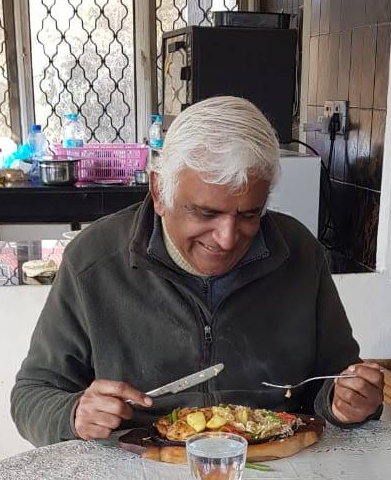
Food has always been the thread that ties my family together — even when oceans, time zones, and busy lives keep us apart.
Growing up, some of my most vivid memories aren’t tied to places, but to kitchens. The laughter of cousins crowded around a table, the quiet mastery of an aunt who never needed a recipe written down, the comforting presence of nannies who showed love through every dish they made. These weren’t just meals — they were stories, traditions, and pieces of who we are.
As our family spread across the globe, I started to realize something: those recipes, those little “pinches” and “handfuls,” those techniques passed down without ever being written — they could easily be lost.
That thought stayed with me. And it’s why I created this website: a space to collect Recipes with Memories.
This isn’t just about documenting ingredients and steps. It’s about preserving the moments behind them — who made the dish, when we ate it, what it meant to us. Because someday, I want my children, grandchildren, and generations beyond to not only recreate these meals, but to feel connected to the people who made them.
One of my greatest inspirations is Ichu Dada, he had a deep love for food — not just from one place, but from cuisines all over the world. He cooked with curiosity, joy, and generosity. Though he’s no longer with us, the recipes he shared remain some of my most cherished possessions. This project is, in many ways, a tribute to him — a way to ensure that his love for food continues to live on.
This website is my way of holding onto something that matters deeply: the flavors, the stories, and the people behind them.
Because recipes fade if they’re not written down — but memories fade even faster if they’re not shared.
The tools we had didn't fit
I tried Notion. I tried a Notes app folder. I tried a shared Google Doc the family promptly forgot existed. They all worked the same way: a recipe was a list of ingredients and a list of steps, and the story — the part I actually called my mother for — had nowhere to go.
What I wanted was an index card with a margin big enough for a memory.
Three small ideas
The whole site is built on three sentences we keep close:
- Every recipe carries the people who cooked it. Bylines, transcribers, the cousin who shaped the bones. Cooks aren't an afterthought; they're a field on the recipe.
- Memories pin to recipes. A photo, a note, a comment from your aunt about how she does it differently. They live with the recipe forever, so a recipe stops being a list and starts being a story.
- Visibility is yours, per recipe. Private, family, public — set per dish, change anytime, never accidental. The lamb stays in the family. The cookies you give to the world.
If we get those three right, the rest is just polish.
What this isn't
It isn't a publisher. We're not chasing SEO, we're not making you write a 1,200-word essay before the ingredients. We're not building "the Instagram for food."
A recipe has no soul. You as the cook must bring soul to the recipe.
— Pop, pinned to the wall above the stove
We just want the place where Hansa's meat curry and your kid's first pancakes can live on the same shelf, with the people who made them named on the page, and the burnt chapattis remembered next to the good years.
What's next
A journal entry, every now and then. Behind-the-scenes on what we're building. The occasional letter from a cook who's using it. A long post, eventually, about why we still use the word cookbook in 2026 when everyone's moved on to "content."
If you've ended up here from a recipe link or a friend's family table — pull up a chair. There's always room for one more cook.